" transform="translate(5 2)" width="10px"/></svg>)

•
5 min read
What Is Vibe Coding? The Complete Guide for May 2026
•
5 min read
What Is Vibe Coding? The Complete Guide for May 2026
Vibe coding has taken over developer communities, and the question everyone is asking is the same: what is vibe coding, and is it actually worth using? The short answer is that it lets you describe software in plain English and watch AI turn that description into working code, no syntax memorization, no boilerplate, no waiting on a developer to have bandwidth. It started as a fringe experiment and has since become one of the most discussed changes in how software gets built. This guide breaks down exactly how it works, which tools are driving adoption, what the real tradeoffs look like, and why voice input has become the fastest way to get the most out of it.
TLDR:
Vibe coding lets you describe what you want in plain English and AI writes the code for you.
You can build working prototypes in hours instead of weeks with tools like Cursor and Replit.
Speaking is 3x faster than typing, making voice dictation a natural fit for vibe coding workflows.
AI-generated code works fast but struggles with quality, security, and scaling to production.
A dedicated voice dictation tool runs at 200ms latency and learns how you write for faster, cleaner vibe coding prompts.
What Is Vibe Coding?
Vibe coding is an AI-assisted software development practice where a developer describes a project or task in plain language, an LLM reads that prompt, and source code comes out the other end. You describe what you want built. The AI writes it.
The term was coined in February 2025 by Andrej Karpathy, a co-founder of OpenAI and former AI leader at Tesla. Karpathy described the experience as fully surrendering to the AI, barely glancing at the generated code, and leaning entirely on its output.
Traditional programming demands that you know exact commands, syntax rules, and language-specific logic before writing a single line. Vibe coding throws that requirement out. You work in plain English. The AI handles the translation into actual code.
Here is what that looks like in practice:
You type something like "build me a web app that lets users upload a photo and get a color palette from it" and the AI generates working code for that feature.
When something breaks, you paste the error message back into the chat and ask the AI to fix it, skipping the debugging process entirely.
You keep iterating in conversation until the thing you had in mind actually works, following vibe coding best practices.
Who Is It For?

Vibe coding gets used across a wide range of people. Professional developers use it to move faster on repetitive tasks. Non-developers use it to build tools they never could have before. Founders use it to prototype products without hiring engineers. The barrier to building software has dropped substantially, and that is the whole point.
Vibe Coding Tools and How They Work
Vibe coding tools sit at the heart of what makes this workflow possible. They translate your plain-English descriptions into working code, handling the syntax, structure, and logic while you focus on what you want to build. Each tool has a different strength, so picking the right one depends on your experience level and project type.
Here are the most widely used vibe coding tools right now:
Cursor is a code editor built on top of VS Code that layers AI assistance directly into your workflow. You describe what you want in a sidebar chat, and Cursor writes, edits, or refactors code inline. It's the go-to choice for developers who want AI help without leaving a familiar editor.
Replit is a browser-based environment where you can describe an app idea and watch it get built in real time, and you can use voice dictation in Replit to speed things up even more. It handles hosting and deployment too, making it a strong pick for beginners and non-developers who want to go from idea to live product without local setup.
GitHub Copilot integrates into most major editors and autocompletes code as you type, predicting what you need based on context. It's less conversational than Cursor but faster for developers who already know their way around a codebase. Research shows it has a measurable impact on developer productivity.
Bolt.new and Lovable are newer, fully browser-based tools aimed at non-developers. For a full comparison, see our guide to the best vibe coding tools for developers. You describe an app in a text box and they generate a full working prototype, often within minutes.
Tool | Best For | Free Tier |
|---|---|---|
Cursor | Developers in VS Code | Yes |
Replit | Beginners and fast prototyping | Yes |
GitHub Copilot | Code autocomplete in any editor | Limited |
Bolt.new | Non-developers building web apps | Yes |
Lovable | No-code app prototyping | Yes |
The Benefits and Criticisms of Vibe Coding
Vibe coding has sparked genuine debate across developer communities, and the arguments on both sides carry real weight. Understanding where it helps and where it falls short gives you a much clearer picture of when to reach for it.
What People Love About It
You can go from idea to working prototype in hours instead of weeks, especially when using the best voice dictation tools for vibe coding, which is a genuine advantage for solo founders, product teams testing ideas, and non-technical builders who previously had no way to build at all.
The barrier to entry has dropped to near zero. Anyone who can articulate what they want in plain language can produce functional software.
Iteration speed is dramatically faster. Changing a feature no longer requires a developer ticket, a sprint cycle, and a code review.
The Real Criticisms Worth Taking Seriously
Code quality can suffer. AI-generated code often works but carries hidden technical debt, security vulnerabilities in AI code, or inefficiencies that a trained developer would catch immediately.
Debugging becomes harder when you do not understand what the code is doing. If something breaks, you may not know where to look.
Vibe coding has real limits at scale. Prototypes built this way frequently need to be rewritten before they can handle real users or production loads.
There is an ongoing concern in the developer community that over-reliance on AI-generated code erodes foundational programming skills over time.
The honest answer is that vibe coding is a tool with a specific sweet spot. It excels at speed and accessibility, and it struggles with precision, security, and long-term maintainability. Knowing that boundary is what separates people who use it well from people who end up with a broken app they cannot fix.
Why Vibe Coding Matters in Voice-Powered Development
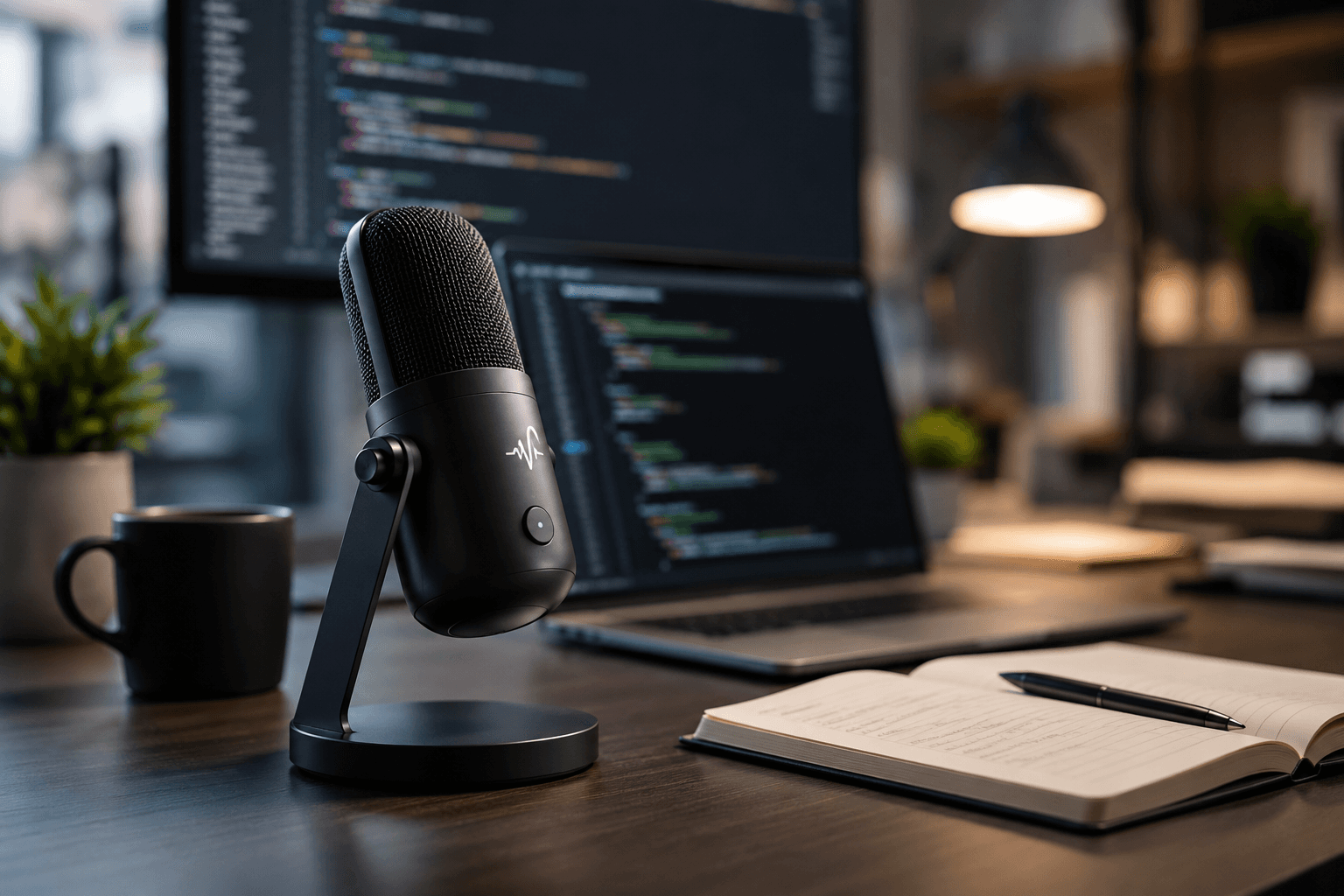
Vibe coding and voice input are a natural fit. The whole premise of vibe coding is reducing friction between your idea and working code, and voice is the fastest way to express an idea. Speaking is roughly 3x faster than typing for most people, which means voice-driven prompting can dramatically cut the time between thinking something and getting the AI to act on it.
For non-developers especially, this matters. Learn more about AI voice dictation for Cursor. If you're already relying on normal language to describe what you want built, removing the keyboard from that interaction makes the whole workflow faster and more intuitive.
This is where tools like Willow come in. Willow is a voice dictation tool built around three things that matter for vibe coding workflows: speed, accuracy, and personalization.
Willow runs at 200ms latency, making it the fastest dictation option available, which is why developers prompt AI tools faster with Willow. Competing tools like Wispr Flow and Apple's built-in voice dictation sit at 700ms or more, which is enough lag to break your focus mid-prompt.
Willow learns how you write over time, so your prompts come out cleaner and require fewer edits before you send them to Cursor, Replit, or whatever AI coding tool you use.
For teams building with vibe coding, Willow includes SOC 2 and HIPAA-grade security, shared shortcuts, and shared dictionary terms, so every team member is prompting with consistent vocabulary and context.
If you're going to vibe code seriously, speaking your prompts instead of typing them is a genuine edge.
FAQs
Cursor vs. Replit for vibe coding?
Cursor works better if you're already comfortable with VS Code and want AI help inside a familiar editor, while Replit is faster for complete beginners since it handles hosting and deployment in the browser without any local setup.
Can I vibe code without knowing how to program?
Yes. Tools like Replit, Bolt.new, and Lovable let you describe what you want in plain English and generate working apps without writing code yourself. The barrier to entry is now low enough that non-developers can build functional prototypes in hours.
Is vibe coding worth it for production apps?
Vibe coding excels at prototyping and testing ideas quickly, but code quality often suffers at scale. AI-generated code can carry hidden security vulnerabilities and technical debt that require a trained developer to fix before handling real users or production loads.
What's the fastest way to write vibe coding prompts?
Voice dictation is 3x faster than typing for most people. Willow runs at 200ms latency (compared to 700ms+ for Wispr Flow and Apple's built-in voice dictation), learns how you write over time for cleaner prompts, and includes SOC 2 and HIPAA-grade security for team workflows.
Will vibe coding replace programmers?
No. Vibe coding accelerates prototyping and lowers the barrier for non-developers, but it struggles with code quality, debugging complexity, and long-term maintainability that professional developers handle. It's a tool that changes how developers work, not one that eliminates the need for programming expertise.
Final Thoughts on the Vibe Coding Movement
What is vibe coding? The answer depends on what you're building and how comfortable you are with its limits. For rapid prototyping, solo founders, and non-developers testing ideas, it's a legitimate tool that delivers real speed gains. For production code at scale, you'll hit walls around maintainability and technical debt. Speaking your prompts instead of typing them cuts friction even further. Download Willow to speak faster and stay in flow while you build.
Vibe coding has taken over developer communities, and the question everyone is asking is the same: what is vibe coding, and is it actually worth using? The short answer is that it lets you describe software in plain English and watch AI turn that description into working code, no syntax memorization, no boilerplate, no waiting on a developer to have bandwidth. It started as a fringe experiment and has since become one of the most discussed changes in how software gets built. This guide breaks down exactly how it works, which tools are driving adoption, what the real tradeoffs look like, and why voice input has become the fastest way to get the most out of it.
TLDR:
Vibe coding lets you describe what you want in plain English and AI writes the code for you.
You can build working prototypes in hours instead of weeks with tools like Cursor and Replit.
Speaking is 3x faster than typing, making voice dictation a natural fit for vibe coding workflows.
AI-generated code works fast but struggles with quality, security, and scaling to production.
A dedicated voice dictation tool runs at 200ms latency and learns how you write for faster, cleaner vibe coding prompts.
What Is Vibe Coding?
Vibe coding is an AI-assisted software development practice where a developer describes a project or task in plain language, an LLM reads that prompt, and source code comes out the other end. You describe what you want built. The AI writes it.
The term was coined in February 2025 by Andrej Karpathy, a co-founder of OpenAI and former AI leader at Tesla. Karpathy described the experience as fully surrendering to the AI, barely glancing at the generated code, and leaning entirely on its output.
Traditional programming demands that you know exact commands, syntax rules, and language-specific logic before writing a single line. Vibe coding throws that requirement out. You work in plain English. The AI handles the translation into actual code.
Here is what that looks like in practice:
You type something like "build me a web app that lets users upload a photo and get a color palette from it" and the AI generates working code for that feature.
When something breaks, you paste the error message back into the chat and ask the AI to fix it, skipping the debugging process entirely.
You keep iterating in conversation until the thing you had in mind actually works, following vibe coding best practices.
Who Is It For?
Vibe coding gets used across a wide range of people. Professional developers use it to move faster on repetitive tasks. Non-developers use it to build tools they never could have before. Founders use it to prototype products without hiring engineers. The barrier to building software has dropped substantially, and that is the whole point.
Vibe Coding Tools and How They Work
Vibe coding tools sit at the heart of what makes this workflow possible. They translate your plain-English descriptions into working code, handling the syntax, structure, and logic while you focus on what you want to build. Each tool has a different strength, so picking the right one depends on your experience level and project type.
Here are the most widely used vibe coding tools right now:
Cursor is a code editor built on top of VS Code that layers AI assistance directly into your workflow. You describe what you want in a sidebar chat, and Cursor writes, edits, or refactors code inline. It's the go-to choice for developers who want AI help without leaving a familiar editor.
Replit is a browser-based environment where you can describe an app idea and watch it get built in real time, and you can use voice dictation in Replit to speed things up even more. It handles hosting and deployment too, making it a strong pick for beginners and non-developers who want to go from idea to live product without local setup.
GitHub Copilot integrates into most major editors and autocompletes code as you type, predicting what you need based on context. It's less conversational than Cursor but faster for developers who already know their way around a codebase. Research shows it has a measurable impact on developer productivity.
Bolt.new and Lovable are newer, fully browser-based tools aimed at non-developers. For a full comparison, see our guide to the best vibe coding tools for developers. You describe an app in a text box and they generate a full working prototype, often within minutes.
Tool | Best For | Free Tier |
|---|---|---|
Cursor | Developers in VS Code | Yes |
Replit | Beginners and fast prototyping | Yes |
GitHub Copilot | Code autocomplete in any editor | Limited |
Bolt.new | Non-developers building web apps | Yes |
Lovable | No-code app prototyping | Yes |
The Benefits and Criticisms of Vibe Coding
Vibe coding has sparked genuine debate across developer communities, and the arguments on both sides carry real weight. Understanding where it helps and where it falls short gives you a much clearer picture of when to reach for it.
What People Love About It
You can go from idea to working prototype in hours instead of weeks, especially when using the best voice dictation tools for vibe coding, which is a genuine advantage for solo founders, product teams testing ideas, and non-technical builders who previously had no way to build at all.
The barrier to entry has dropped to near zero. Anyone who can articulate what they want in plain language can produce functional software.
Iteration speed is dramatically faster. Changing a feature no longer requires a developer ticket, a sprint cycle, and a code review.
The Real Criticisms Worth Taking Seriously
Code quality can suffer. AI-generated code often works but carries hidden technical debt, security vulnerabilities in AI code, or inefficiencies that a trained developer would catch immediately.
Debugging becomes harder when you do not understand what the code is doing. If something breaks, you may not know where to look.
Vibe coding has real limits at scale. Prototypes built this way frequently need to be rewritten before they can handle real users or production loads.
There is an ongoing concern in the developer community that over-reliance on AI-generated code erodes foundational programming skills over time.
The honest answer is that vibe coding is a tool with a specific sweet spot. It excels at speed and accessibility, and it struggles with precision, security, and long-term maintainability. Knowing that boundary is what separates people who use it well from people who end up with a broken app they cannot fix.
Why Vibe Coding Matters in Voice-Powered Development
Vibe coding and voice input are a natural fit. The whole premise of vibe coding is reducing friction between your idea and working code, and voice is the fastest way to express an idea. Speaking is roughly 3x faster than typing for most people, which means voice-driven prompting can dramatically cut the time between thinking something and getting the AI to act on it.
For non-developers especially, this matters. Learn more about AI voice dictation for Cursor. If you're already relying on normal language to describe what you want built, removing the keyboard from that interaction makes the whole workflow faster and more intuitive.
This is where tools like Willow come in. Willow is a voice dictation tool built around three things that matter for vibe coding workflows: speed, accuracy, and personalization.
Willow runs at 200ms latency, making it the fastest dictation option available, which is why developers prompt AI tools faster with Willow. Competing tools like Wispr Flow and Apple's built-in voice dictation sit at 700ms or more, which is enough lag to break your focus mid-prompt.
Willow learns how you write over time, so your prompts come out cleaner and require fewer edits before you send them to Cursor, Replit, or whatever AI coding tool you use.
For teams building with vibe coding, Willow includes SOC 2 and HIPAA-grade security, shared shortcuts, and shared dictionary terms, so every team member is prompting with consistent vocabulary and context.
If you're going to vibe code seriously, speaking your prompts instead of typing them is a genuine edge.
FAQs
Cursor vs. Replit for vibe coding?
Cursor works better if you're already comfortable with VS Code and want AI help inside a familiar editor, while Replit is faster for complete beginners since it handles hosting and deployment in the browser without any local setup.
Can I vibe code without knowing how to program?
Yes. Tools like Replit, Bolt.new, and Lovable let you describe what you want in plain English and generate working apps without writing code yourself. The barrier to entry is now low enough that non-developers can build functional prototypes in hours.
Is vibe coding worth it for production apps?
Vibe coding excels at prototyping and testing ideas quickly, but code quality often suffers at scale. AI-generated code can carry hidden security vulnerabilities and technical debt that require a trained developer to fix before handling real users or production loads.
What's the fastest way to write vibe coding prompts?
Voice dictation is 3x faster than typing for most people. Willow runs at 200ms latency (compared to 700ms+ for Wispr Flow and Apple's built-in voice dictation), learns how you write over time for cleaner prompts, and includes SOC 2 and HIPAA-grade security for team workflows.
Will vibe coding replace programmers?
No. Vibe coding accelerates prototyping and lowers the barrier for non-developers, but it struggles with code quality, debugging complexity, and long-term maintainability that professional developers handle. It's a tool that changes how developers work, not one that eliminates the need for programming expertise.
Final Thoughts on the Vibe Coding Movement
What is vibe coding? The answer depends on what you're building and how comfortable you are with its limits. For rapid prototyping, solo founders, and non-developers testing ideas, it's a legitimate tool that delivers real speed gains. For production code at scale, you'll hit walls around maintainability and technical debt. Speaking your prompts instead of typing them cuts friction even further. Download Willow to speak faster and stay in flow while you build.

Try Willow for free
Instant, accurate voice dictation. No card required.
Try Willow for free
Instant, accurate voice dictation. No card required.
Other stories you’ll love
Other stories you’ll love


Your keyboard is optional now
" transform="translate(5 5)" width="9.791000051498413px"/></svg>)

The voice-first interface for modern work.
© Willow Care, Inc. 2026. All rights reserved
Your keyboard is optional now
The voice-first interface for modern work.
© Willow Care, Inc. 2026. All rights reserved
Your keyboard is optional now
The voice-first interface for modern work.
© Willow Care, Inc. 2026. All rights reserved